
Remember These? 9 Tap Room Trends We Left Behind


If you weren't sitting on grain bags, drinking a coffee-infused cask ale, collecting growlers, and insisting the smell coming from the spent grain dumpster was a sign of quality, were you even at a craft brewery in 2012?
Craft beer tap rooms have undergone quite the overhaul in the last 15 years. We hauled around glass growlers, sat on repurposed brewery furniture, traded bottles across the country, and somehow convinced ourselves that the smell coming from a fermenting grain dumpster was a sign of authenticity. Looking back, it sounds ridiculous. At the time, it was just Tuesday.
Some trends disappeared because better alternatives emerged. Others simply ran their course. A few probably deserved their fate. Together, they tell the story of an industry growing up in real time.
Growlers

For a while, no brewery visit was complete without a growler fill.
Before mobile canning became commonplace and before many breweries had packaging lines of their own, growlers were how you took brewery-fresh beer home. Every brewery seemed to have stacks of branded growlers behind the bar, and every regular seemed to have at least a few rolling around in the trunk of their car.
The growlers themselves became souvenirs. A local growler was one thing, but bringing home a growler from a famous brewery during a road trip was a badge of honor. Entire cabinets, garages, and kitchen shelves became storage facilities for glass jugs gathered from breweries across the country.
Eventually convenience won. Crowlers arrived, packaged beer became widely available, and consumers realized that beer generally stayed fresher in cans anyway. Today plenty of growlers remain, but many are gathering dust as relics from a time when remembering to bring your empty jug back to the brewery felt perfectly normal.
Cask Ale Nights

There was a time when cask nights were must-attend events for serious beer fans.
Breweries would tap a firkin and serve naturally conditioned beer through a hand pump or gravity pour. Sometimes it was a traditional English-style ale. Other times it was loaded with coffee, fruit, spices, peppers, chocolate, or whatever ingredient happened to catch the brewer's attention that week.
For beer enthusiasts, cask ale represented craftsmanship, tradition, and experimentation all at once. For everyone else, it often represented beer that wasn't quite cold enough and a brewer insisting that was the point.
While cask ale still has a passionate following, its audience remained relatively small compared to consumers who simply wanted a cold pint. As breweries shifted toward serving broader audiences, cask programs became less common and largely transitioned from weekly events into occasional specialty releases.
Grain Bag Furniture
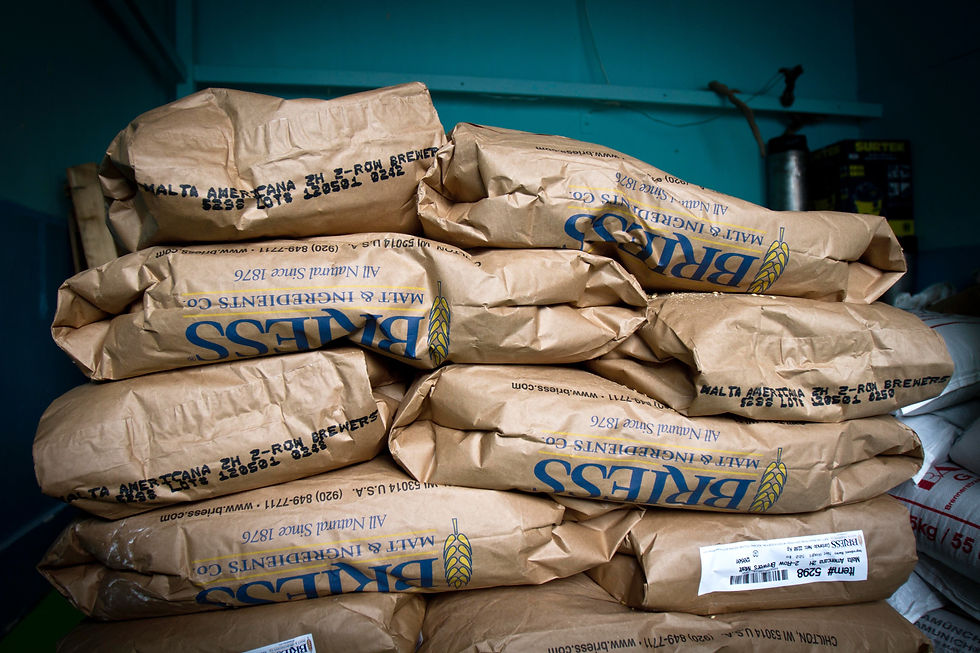
If you've been visiting breweries long enough, there's a good chance you've sat on a grain bag.
During the early growth years of craft beer, many taprooms operated on lean budgets. Brewers were investing in tanks, fermenters, and ingredients. Furniture wasn't always a top priority. Empty grain bags became stools. Pallets became tables. Cable spools became gathering spaces.
At the time, customers loved it because it felt authentic. Nobody expected polished hospitality. In fact, being rough around the edges was part of the appeal. Grain bags weren't just furniture. They were proof that every available dollar had gone into fermentation tanks instead of interior design.
Looking back, it's amazing how many of us convinced ourselves that a stack of grain bags was a perfectly reasonable place to spend an afternoon drinking beer.
Eventually taprooms evolved into places where people wanted to spend an entire afternoon, and comfort started winning more arguments than authenticity.
Stinky Dumpsters

For a while, there was an unwritten rule in craft beer: the smellier the brewery, the more street cred it had.
New visitors would walk into a brewery, catch a whiff of whatever was happening out by the spent grain dumpster, and wonder if something had gone wrong.
If a first-time visitor asked, "What's that smell?" there was always a regular nearby ready to explain that it was the smell of authenticity.
In many ways, it became part of the brewery experience. If you could smell the brewery from the parking lot, people assumed the beer was going to be great. The spent grain dumpster baking in the summer sun wasn't viewed as a nuisance. It was proof that production was happening.
Looking back, it's a little funny. Most consumers don't judge restaurants by how strongly they smell like a commercial kitchen, yet breweries somehow convinced people that a fermenting grain dumpster was a sign of quality. If a brewery looked a little rough around the edges and smelled vaguely agricultural, many beer enthusiasts considered that a feature rather than a flaw.
As taprooms evolved into more polished hospitality spaces, breweries got better at separating production from the customer experience. The brewing process remains part of the attraction, but most visitors today prefer aromas of fresh beer and food over a spent grain dumpster working overtime in the parking lot.
Randall Nights

Before breweries had endless pilot batches and specialized ingredients, there was the Randall.
Beer flowed through a chamber packed with coffee beans, citrus peels, spices, cacao nibs, hops, and occasionally ingredients that probably should have lost a vote somewhere along the way.
The results were sometimes incredible, sometimes questionable, but always interesting. Randall nights perfectly captured craft beer's experimental spirit. Brewers loved them because they offered endless creative possibilities. Consumers loved them because they never quite knew what they were getting.
Eventually breweries found more reliable ways to experiment, but for a while it seemed like every brewery had a Randall and every brewer had an idea they wanted to run through it.
Glassware Collections

At one point, collecting brewery glassware was practically its own hobby.
Beer fans hunted down limited-edition pints, tulips, snifters, and tasting glasses from breweries around the country. Shelves filled with brewery logos became displays of places visited and beers enjoyed. Before social media became the primary way people documented every brewery visit, taking home a glass was often how those memories were preserved.
At some point, many beer fans realized they owned more brewery glassware than actual kitchen glasses.
Glassware remains popular, but the collecting culture has cooled considerably. Today's consumers are more likely to leave with a photo on their phone than another piece of glassware destined for an already crowded cabinet.
The 750 mL Bottle Era

Long before limited release hazy IPAs dominated social media, special beer often came in large corked bottles.
Barrel-aged stouts, Belgian-inspired ales, sour beers, and anniversary releases frequently arrived in 750 mL packaging that felt closer to wine than beer. Opening one carried a certain ceremony. These weren't everyday beers. They were beers intended to be shared, aged, traded, and discussed.
The bottle itself became part of the experience. The pop of the cork, the oversized label, and the ritual of splitting it among friends made the beer feel like an occasion.
Today many of those same beers are released in cans or smaller bottles that are easier to package, ship, and store. The giant corked bottle hasn't disappeared entirely, but it no longer occupies the prestigious place it once held in craft beer culture.
Nitro Everything

Some trends start with a genuinely great idea and then get applied to absolutely everything. Nitro stouts made perfect sense. Then, like many things in craft beer, a perfectly good idea was applied to absolutely everything.
Nitro IPAs. Nitro pale ales. Nitro cream ales. Nitro ambers. The cascading pour looked fantastic and customers loved watching it settle in the glass. For a few years, it felt like nitro might become the future of craft beer.
Eventually breweries learned that not every beer benefited from softer carbonation and a creamier texture. Nitro remains a valuable tool, but the days of putting everything on nitrogen have largely passed.
Untappd Culture

There was a period when ordering beer and documenting beer felt almost inseparable.
Apps like BeerAdvocate, RateBeer, and Untappd changed the way people discovered breweries, tracked what they drank, and shared recommendations with friends. It also created a culture where trying new beers became an objective unto itself. Flights grew increasingly popular because they allowed customers to sample more beers and collect more check-ins.
Some brewery visits started to feel less like a night out and more like a scavenger hunt with alcohol.
Entire brewery visits sometimes revolved around finding something new to log. Rare releases generated excitement because they unlocked badges. Customers proudly tracked hundreds or even thousands of unique beers.
Check-in beer apps persist today, but the culture surrounding them has matured. Most consumers today seem more interested in finding a beer they enjoy than accumulating badges or chasing a check-in count.
Homebrew Clubs

Before there were thousands of craft breweries across the country, there were homebrewers.
Long before every city had multiple breweries, homebrewers were arguing about mash temperatures in garages and backyards across America.
Homebrew clubs played an enormous role in building craft beer culture. Meetings often took place in brewery taprooms, competitions attracted passionate participants, and recipe discussions could stretch on for hours. Many professional brewers got their start sharing homemade beer with fellow enthusiasts long before they worked in commercial brewing, Mother Earth included.
For years, homebrew clubs served as gathering places for some of the most dedicated people in the industry. They fostered education, experimentation, and a sense of community that helped fuel craft beer's growth.
As the industry expanded, fewer consumers felt the need to brew their own beer to access great beer. Participation in homebrewing declined from its peak, and with it, the prominence of many homebrew clubs. The community remains active, but its role has changed from gateway to craft beer culture to a more specialized hobby within a much larger industry, thus making tap room gatherings somewhat obsolete for enthusiasts.
Moving On
What ties all of these trends together isn't the specific products, furniture, or rituals themselves. It's what they represented.
Craft beer spent much of the 2000s and early 2010s chasing authenticity over convenience, experimentation over consistency, and exploration over comfort. Brewers were figuring things out. Consumers were discovering entirely new styles. The industry wasn't polished yet, and that was part of the appeal.
Today's taprooms are more comfortable, more welcoming, and arguably better equipped to serve a broader audience. The beer is more consistent, the hospitality is stronger, and the customer experience is generally better. Yet there's still something nostalgic about remembering the era of growlers, cask nights, grain bag furniture, beer trades, and fermenting grain dumpsters.
Some trends disappeared because better solutions emerged. Others simply ran their course. But each one reflects a chapter in the evolution of craft beer, and together they serve as a reminder that today's normal will eventually become tomorrow's nostalgia.
Did we miss something? Let us know in the comments.


Thanks for sharing this informative post! The explanation is clear and easy to understand. Looking forward to reading more helpful articles like this about Winadda.
Love the nostalgia trip—grain bag furniture and cask ale nights really defined early 2010s brewery culture. It’s funny how trends cycle; back then, authenticity was in the smell of spent grain, now it’s almost like we’re vetting digital authenticity, too. Kind of like checking a ai video detector youtube link to see if a viral beer review is real or generated. Glad some things, like growler logistics, have evolved!
Mình có lần lướt đọc mấy trao đổi trên mạng شيخ روحاني thì thấy nhắc nên cũng tò mò mở ra xem thử cho biết. Mình không tìm hiểu sâu جلب الحبيب chỉ xem qua trong thời gian ngắn để quan sát bố cục جلب الحبيب cách sắp xếp شيخ روحاني các mục và trình bày nội شيخ روحاني dung tổng thể. Cảm giác là các phần được trình bày khá gọn, các Huren Berlin mục rõ ràng nên đọc lướt cũng không bị rối với mình như Hurentest Berlin vậy là đủ để nắm tin cơ bản rồi. جلب الحبيب
,
,
This article offers a useful introduction to a Wazirwin and explains the basic purpose of account identification on online platforms. I liked the straightforward writing because it makes the subject easier for beginners to understand. The points about security, registration, and checking service terms also make the discussion more practical for readers.
I think the EPFO Portal is a helpful resource for employees who want to access provident fund services and understand their account information digitally.