
New on the Blog and Pod: The Science of Haze w/ Brewmaster Chris Baker


Preface
Back in 2020, we published an article titled “What Makes a Beer Hazy? The Answer Is More Complicated Than You Think.” At the time, hazy IPAs were still relatively new territory for many breweries, including us. We were actively experimenting, learning in real time, and sharing what we understood about the style as it continued to evolve.
A lot has changed since then.
Over the last five and a half years, we’ve brewed countless hazy batches across multiple systems, scaled production, refined our recipes, adjusted processes, tested new ingredients and yeast strains, and, frankly, learned plenty of lessons the hard way. Our understanding of haze has matured from theory and early trials into practical, repeatable experience. Rather than simply update that original post, we decided it was time to revisit the topic more thoughtfully and more thoroughly.
This piece combines both perspectives: the “why” behind hazy IPA as a style and the “how” behind the science and process that make stable, intentional haze possible. Whether you’re a brewer, a homebrewer, or just someone who enjoys a cloudy pint and wants to understand what’s going on in the glass, consider this a refreshed and expanded look at everything we’ve learned since that first article.
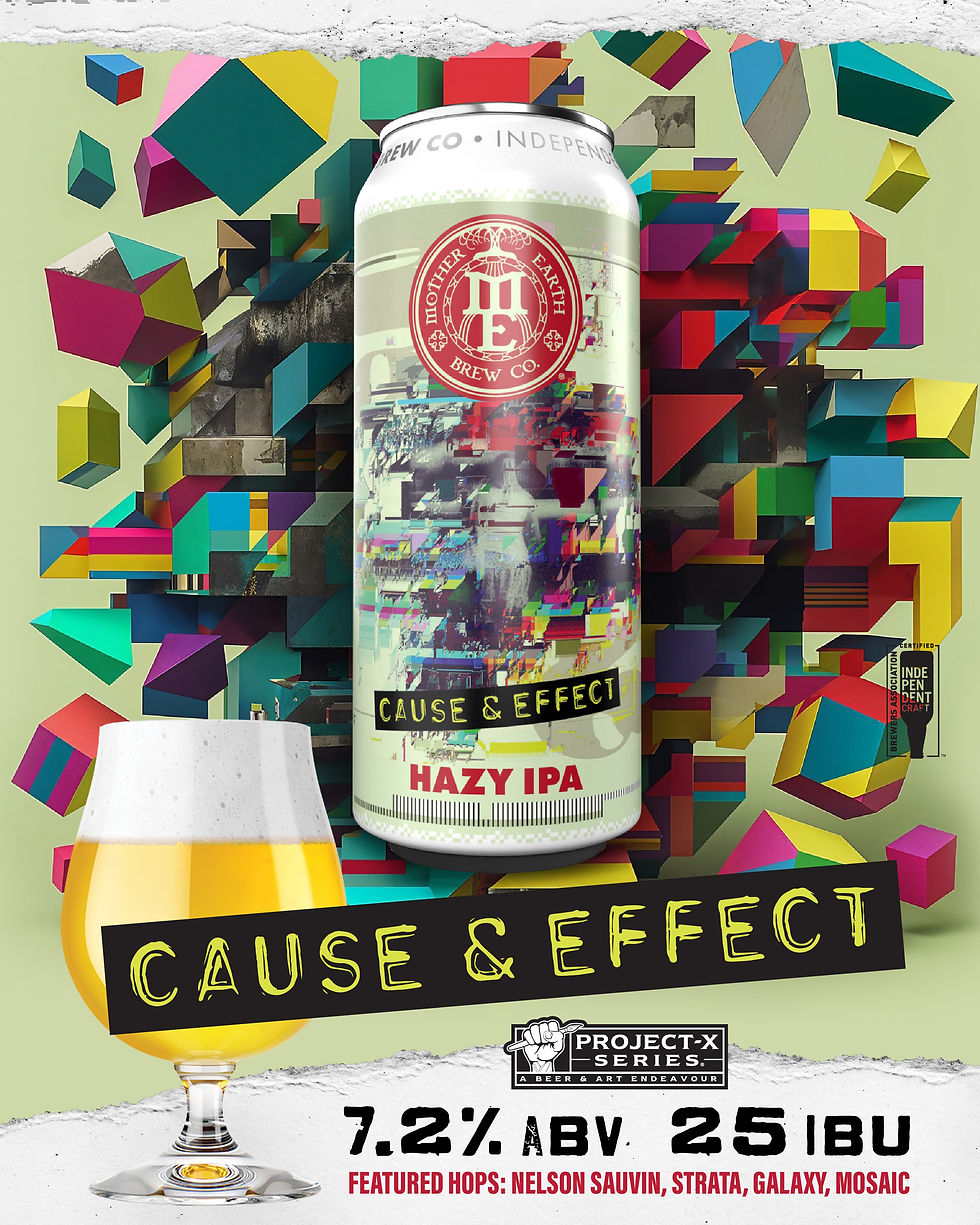
When you pour a hazy IPA, like those in our Project X Series, you recognize it immediately. Before you even smell it or take a sip, you see it — that soft, glowing opacity, the saturated color, and the dense foam that hangs around a little longer than expected. It doesn’t look filtered or polished. It looks full, textured, and expressive. And whether you realize it or not, that appearance has already shaped what you expect the beer to taste like.
Most people associate haze with softer bitterness, fruit-forward hop character, and a smoother, rounder mouthfeel. In modern craft beer, haze isn’t just a look — it’s a signal. It tells you what kind of experience you’re about to have.
But that cloudy appearance isn’t random, and it isn’t simply the result of “adding more hops.” It’s the outcome of very specific ingredients, chemistry, and process decisions working together. In our two-part The Craft Equation series, we broke down both sides of the story: where hazy IPAs came from stylistically and what haze actually is from a brewing science perspective. Whether you brew beer, homebrew on the weekends, or just enjoy learning how your favorite styles are made, understanding both angles helps explain what’s really happening inside the glass.

From flaw to feature
Not long ago, haze in beer was something breweries tried to eliminate. Clear beer meant quality and stability, while cloudiness usually meant something had gone wrong. Then New England–style IPAs arrived and flipped that thinking. These beers were intentionally opaque, softer on the palate, and bursting with fruit-forward hop aroma. Instead of sharp bitterness and clarity, they leaned into texture and saturation.
Drinkers embraced the style quickly, and haze stopped being viewed as a defect and became a defining feature. Today, when you see a cloudy IPA, you instinctively expect lower bitterness, fuller mouthfeel, and bold tropical or citrus notes. Haze became shorthand for “juicy.” As a result, breweries aren’t just designing how the beer looks — they’re designing the entire sensory experience that comes with it.

What haze actually is
At its core, haze comes down to chemistry. Beer contains proteins from malted grain and polyphenols (tannins) from hops. When those compounds bind together, they form microscopic particles that remain suspended in the liquid. Light scatters as it passes through, which is what your eyes interpret as haze.
There are different types of haze, though. Some beers become cloudy only when cold and then clear up as they warm. That’s chill haze, and it’s temporary. The haze you see in modern hazy IPAs is permanent, meaning it stays suspended regardless of temperature. That stability is what makes the beer look intentionally cloudy rather than inconsistent or unfinished.
Ingredients shape both texture and appearance
One reason hazy IPAs feel different from traditional West Coast IPAs is the grain bill. Brewers typically use higher percentages of wheat and oats, which naturally contain more proteins. Those proteins help create stable haze while also contributing to a fuller, smoother mouthfeel. Specialty malts and dextrins can add residual sweetness and body, balancing bitterness and reinforcing that soft, pillowy texture people associate with the style.

In other words, the haze isn’t just visual. It’s directly tied to how the beer feels on your palate. That’s why hazy IPAs tend to drink rounder and more plush compared to the crisp, snappy finish of a clear IPA.
It’s not just more hops — it’s when they’re added
Another common misconception is that haze simply comes from loading the beer with more hops. While hazy IPAs are heavily hopped, timing matters more than total quantity. Traditional IPAs often add many hops during the boil, which creates bitterness. Hazy IPAs shift much of that hopping later in the process, especially after fermentation through dry hopping.
Dry hopping emphasizes aroma and flavor while keeping bitterness lower, which is how you get those big citrus, stone fruit, or tropical notes without the sharp bite. These late additions also help stabilize haze by encouraging those protein and polyphenol complexes to stay suspended. The same hops that create the aroma profile are also helping shape the beer’s appearance.

Yeast plays a bigger role than most people realize
Yeast might be the least visible part of the process, but it has a significant impact on the final result. Some yeast strains settle quickly and leave beer crystal clear, while others remain in suspension longer and interact with proteins and hops in ways that promote stable haze. Certain strains also produce subtle fruity esters that enhance the perception of juiciness.
It’s one of those behind-the-scenes choices that most drinkers never see but absolutely taste. The right yeast can make the difference between a beer that looks intentionally hazy and one that drops bright over time.
Stability and consistency matter
There’s an important difference between a beer that’s intentionally hazy and one that’s simply cloudy from poor stability. If solids settle unevenly, you get inconsistent pours — sometimes murky, sometimes clearer. That “snow globe” effect isn’t part of the style; it’s a sign of instability. Good process control keeps haze uniform so every pour looks and tastes the same. From the first pint to the last can, consistency is the goal. When haze is done well, it appears deliberate and polished rather than accidental.

The debate isn’t going anywhere
Even with their popularity, hazy IPAs still spark debate among brewers and drinkers. Some prefer the sharper bitterness and more distinct hop expression of West Coast IPAs. Others gravitate toward the softer, fruit-forward nature of hazies. It ultimately comes down to preference and the kind of experience you want from your beer.Understanding how each style is built simply gives you a deeper appreciation for both.
Looking at haze a little differently
Once you understand what’s behind it, that cloudy glass tells a bigger story. It isn’t unfinished beer or a shortcut. It’s the result of deliberate ingredient choices, chemistry, and process decisions all working together to create a specific sensory experience. If you want to go deeper into both the origins of the style and the science that keeps it stable from tank to tap, our brewmaster, Chris Baker, breaks it all down on The Craft Equation Podcast in a 2-Part series. Whether you’re brewing or just enjoying what’s in your glass, knowing the “why” behind the haze gives you a new way to appreciate the beer in front of you.


Really interesting breakdown of the science behind hazy IPAs. I especially liked how the article explains the role of ingredients, chemistry, yeast selection, and process control in creating a consistent result. It shows how much experimentation and careful analysis can go into improving a product. The same idea applies to modern technology, where AI tools are increasingly being used to analyze and evaluate digital content. For anyone interested in learning how to detect ChatGPT written text, exploring different AI detection methods can be a useful way to better understand both the capabilities and limitations of generative AI.
The explanation of 10.0.0.0.1 Admin Login is useful for beginners who want to understand router access. Simple instructions and clear information make the topic easier to read and follow.
Really interesting breakdown of the science behind hazy IPAs. I especially liked the explanation of how ingredients, yeast selection, and hop timing can influence both the appearance and mouthfeel of the final beer. It shows how much attention to detail goes into creating a consistent sensory experience. In a different product category, the same focus on comfort and quality matters when choosing a high quality gaming chair, especially for people who spend long hours enjoying their hobbies.
I liked how this explained haze as a real brewing choice, not just extra hops. I found Graveyard Keeper 2 Wiki while reading more about the science behind it, and it helped connect the dots.